Gravity Filtration
Systems
Product List
- Gravity Filtration Systems
- Ion Exchange Systems
- DIFLOAT™ Dissolved Air Flotation (DAF)
- Pressure Filters
- Package Water Treatment Plants
- Membrane Filtration Systems
- Granular Activated Carbon (GAC) Systems
- Mixers
Product
Product
Gravity Filtration Systems
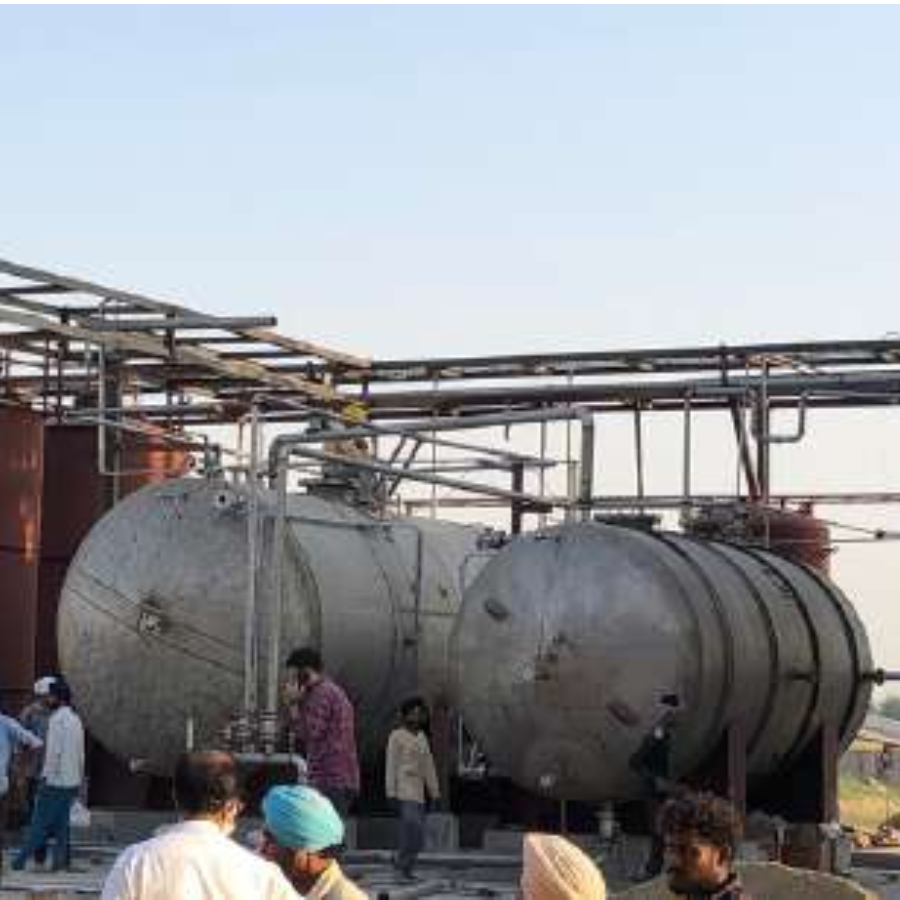
Gravity filters are widely used for liquid-solids separation in various water treatment applications. These filters are designed to treat finished water by using different types of media like silica sand, anthracite coal, greensand, and granular activated carbon (GAC), depending on the specific needs of the treatment plant. One of the advantages of gravity filters is that they allow for easy inspection while in operation. Additionally, they usually have a compact design, making them suitable for a range of settings.
- Conventional filtration or direct filtration
- Package system with coated steel, stainless
steel, or aluminum tankage - Sludge recirculation option
- Integrated coagulation, flocculation,
sedimentation, and filtration process
Features Of Gravity Filtration Systems

Highly effective for removal of turbidity
(usually < 0.1-1 NTU)
Cleaning time (backwashing) only takes minutes and filters can be put back into operation instantly
Cost-effective, space-saving water treatment system
PROCESS Of Gravity Filtration Systems
Coagulation and Flocculation Process
In this process, chemicals are first quickly mixed into raw water, and then the water is gently stirred in a tank called the flocculation chamber. The chemicals used are called coagulants. When these coagulants are added, they form particles that trap suspended solids like dirt, bacteria, viruses, and other microorganisms.
The water stays in the flocculation chamber for a specific amount of time to allow these particles (or “flocs”) to form and remove the contaminants. The detention time needs to be adjusted depending on the temperature of the water. When the water is colder, the process takes longer because chemical reactions happen more slowly.
Agitation is necessary to help the forming flocs collide with the remaining contaminants. This is typically done using a gear motor with a vertical propeller blade mixer. To ensure efficient mixing without breaking up the formed flocs, a variable speed control is often used to adjust the mixing speed.
Clarification Process:
After flocculation, the water flows into a clarifier, a large chamber where the water’s flow speed is reduced. This slower flow allows particles to settle out of the water by gravity. To help with this, tube or plate settlers are often used. These are simple, angled plates or tubes placed close together, which allow the particles to settle quickly onto the surfaces and prevent them from being stirred back into the water. The plates or tubes are typically tilted at an angle of 55-60 degrees, allowing the settled particles, known as sludge, to slide down to the bottom of the clarifier. The sludge is then periodically removed in a process called desludging. By removing these particles, the clarifier reduces the amount of solids that reach the filter media, which helps extend the filter’s operational time between backwashes.
Gravity Filtration Overview
A gravity filter is housed within a filter box, typically made from coated steel, stainless steel, or aluminum. Inside the box, there are layers of filter media, such as sand or anthracite, along with a layer of support gravel. Beneath the gravel is an underdrain system, a network of pipes that collects filtered water and ensures even distribution of backwash water. Backwash troughs assist in distributing influent water and are also essential during the backwashing process.
Operation
Water flows downward through the filter media and supports gravel, where particulate impurities are removed and the clean water is captured by the underdrain. Thanks to the prior coagulation, flocculation, and sedimentation processes, the influent water is relatively clear, enabling rapid sand filters to operate efficiently and quickly. Over time, the accumulated impurities cause the filter to clog. To restore functionality, the filter is cleaned through backwashing.
Backwashing
Backwashing involves reversing the flow of water through the filter media to dislodge and remove trapped particles. Napier-Reid’s method combines air and water to maximize the cleaning process. Once most solids are removed and the water runs clear, the filter is ready to resume operation. However, backwashing generates large amounts of sludge, which must be treated before being discharged into the environment.
Filter Media
The filter media is the key component responsible for removing impurities from the water. The gravel layer beneath the filter media serves as support, providing a barrier between the underdrains and the media. It also ensures even water flow during filtration and backwashing processes. After filtration, the cleaned water is collected in a clear, disinfected, and distributed to customers.
Our Product
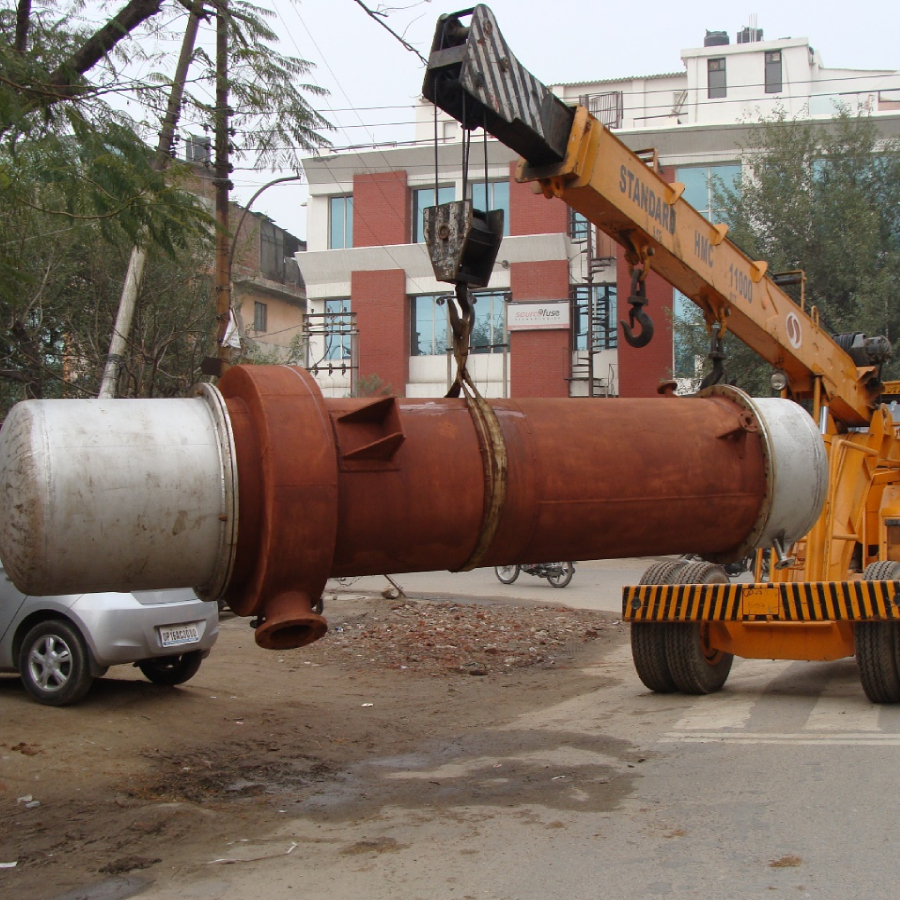
Heat Exchanger
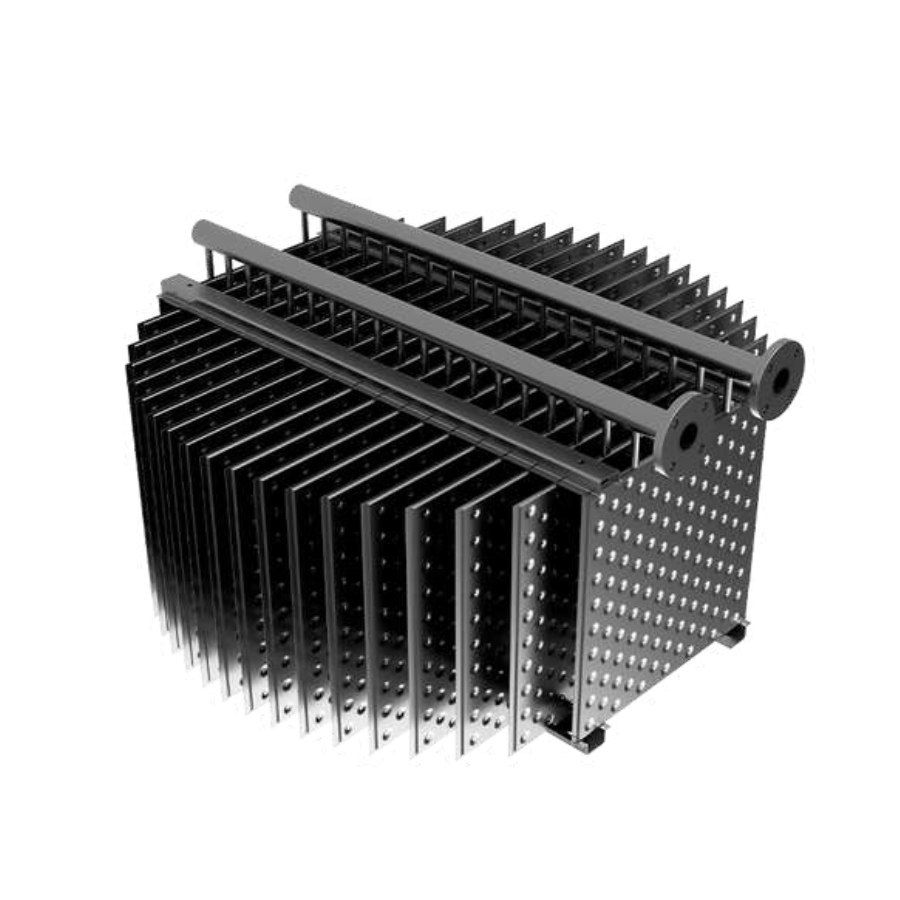
Immersion Plates
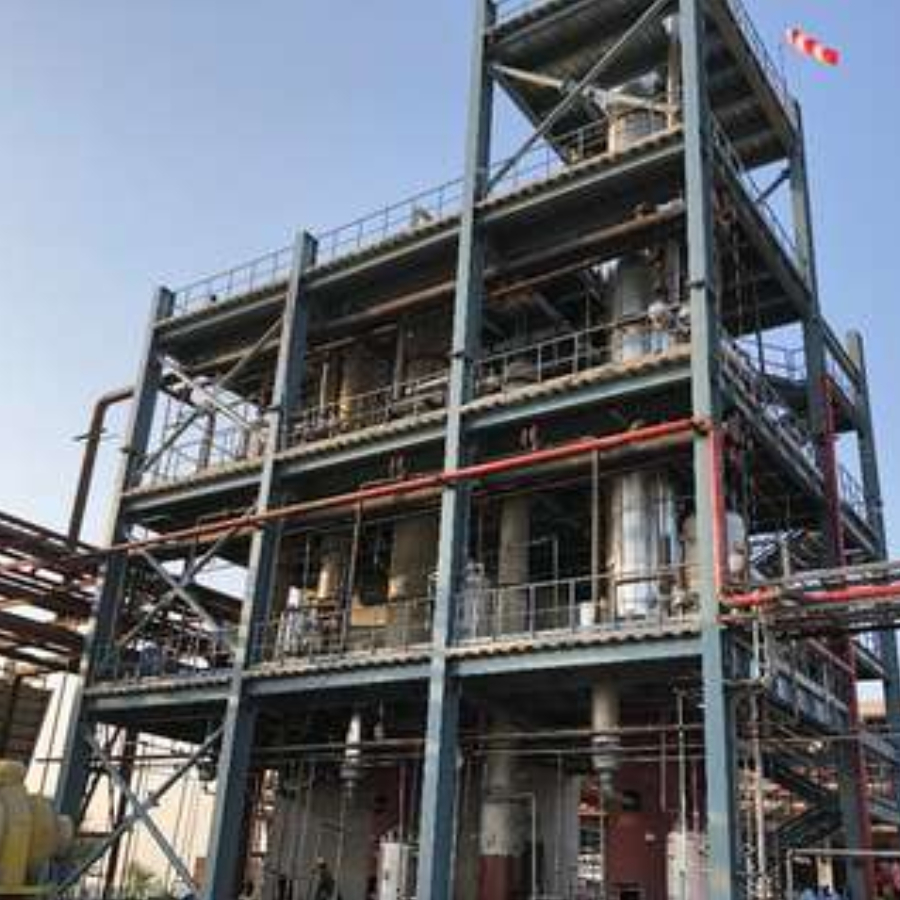
Distillation Columns
Reactor Vessles
Storage Tanks
Storage Silos
Ro Systems